

Puberty and Menarche
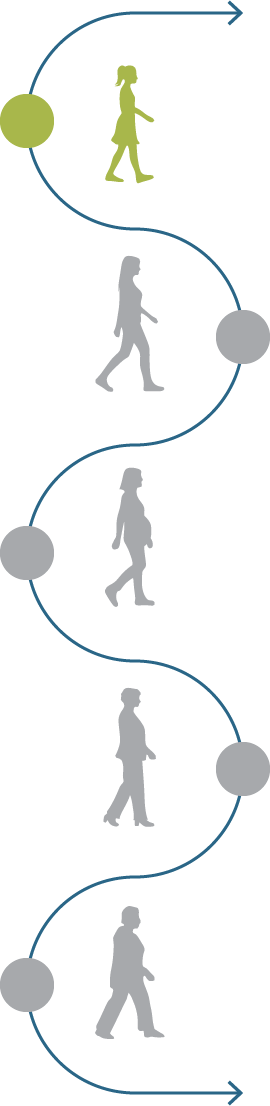
Definition:
Puberty is the stage of development when the body transitions from childhood to physical and reproductive maturity.
Menarche refers to a girl’s first menstrual period, signaling the onset of reproductive capability.
Age Range:
8–13 years; Menarche typically around 12–13 years
Overview:
Puberty is a time of rapid and visible transformation as the body adapts to increasing levels of reproductive hormones. Driven by rising levels of estrogen and progesterone, girls experience not only physical growth but also shifts in mood, body awareness, and social identity. This stage often includes heightened emotional sensitivity, increased need for sleep, and greater self-consciousness about appearance and gender norms. These changes are foundational to lifelong health and behavior and carry important implications for learning environments, privacy needs, and social inclusion in schools and communities.

Reproductive Age
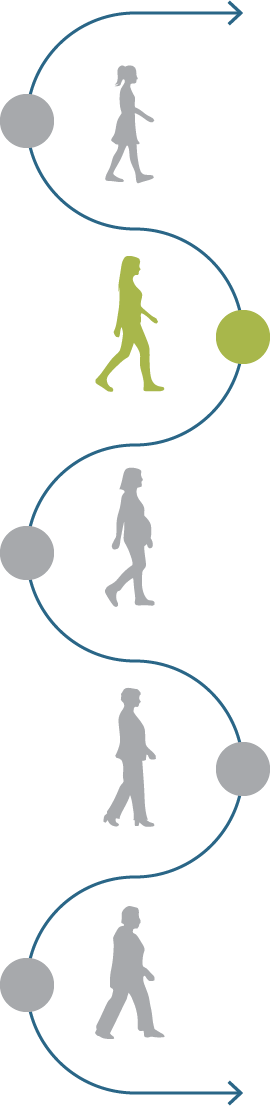
Definition:
The reproductive stage is marked by the body’s ability to conceive and bear children. It includes regular menstrual cycles and the hormonal regulation of fertility and pregnancy potential.
Note: Pregnancy usually occurs during this stage; however, due to its significance in informing design decisions, it is discussed separately in the following sections.
Age Range:
Approximately 13–45 years
Age Range:
This life stage is characterized by recurring hormonal fluctuations that regulate menstruation and fertility. Estrogen and progesterone cycle monthly, influencing not only reproductive function but also mood, energy, and metabolism (Allshouse et al., 2018). Women in this stage may experience a range of physical and emotional responses tied to menstruation, hormonal contraceptive use, pregnancy attempts, or pregnancy loss. These fluctuations can impact workplace performance, comfort in public spaces, and mental well-being. Understanding these shifts is essential for designing supportive, private, and adaptive environments where women can manage physical and emotional needs with dignity.

Pregnancy and Postpartum
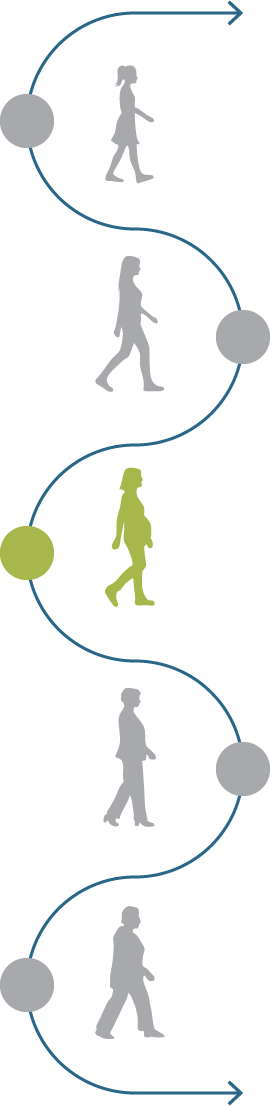
Definition:
Pregnancy is the physiological process during which a fertilized egg develops into a fetus within the uterus.
Postpartum refers to the period following childbirth when the body recovers physically and hormonally, often lasting six months to a year or longer.
Age Range:
Most common between 20–40 years but may occur anytime during the reproductive years.
Overview:
Pregnancy and postpartum represent one of the most transformative stages in a woman’s life, with widespread hormonal, metabolic, immune, and cardiovascular changes. These shifts affect not just the body’s internal systems but also energy levels, comfort, mobility, emotional regulation, and mental focus. The postpartum period introduces additional challenges—from healing and hormonal recalibration to emotional vulnerability and sleep disruption.
Design solutions that accommodate rest, privacy, comfort, movement, and mental health support during this life stage are critical in both public and workplace settings (Conder et al., 2019; Gmeling Meyling et al., 2023; Shrivastava & MLN, 2019).

Perimenopause and Menopause
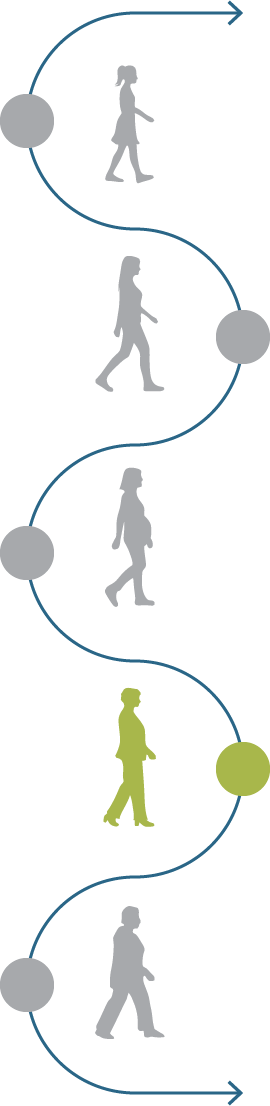
Definition:
Perimenopause is the transitional phase leading up to menopause, during which hormone levels—especially estrogen and progesterone—fluctuate irregularly. Menopause is defined as the point when a woman has gone 12 consecutive months without menstruation, marking the end of reproductive capability.
Note: Perimenopause and menopause are presented together in this section due to their overlapping symptoms and shared design implications.
Age Range:
Perimenopause typically begins in the mid-to-late 40s; menopause occurs around age 51. Statistically significant differences in symptom severity exist between premenopausal and postmenopausal women within the 45–49 and 50–54-year age groups (Yong et al., 2025).
Overview:
This stage is characterized by significant hormonal shifts that can affect nearly every system in the body. While menopause is a biological milestone, its symptoms—ranging from hot flashes and night sweats to fatigue and memory lapses—can profoundly impact daily comfort, focus, and emotional stability. Design considerations during this stage should prioritize thermal adaptability, rest and recovery opportunities, sensory comfort, and social inclusion.

Postmenopause
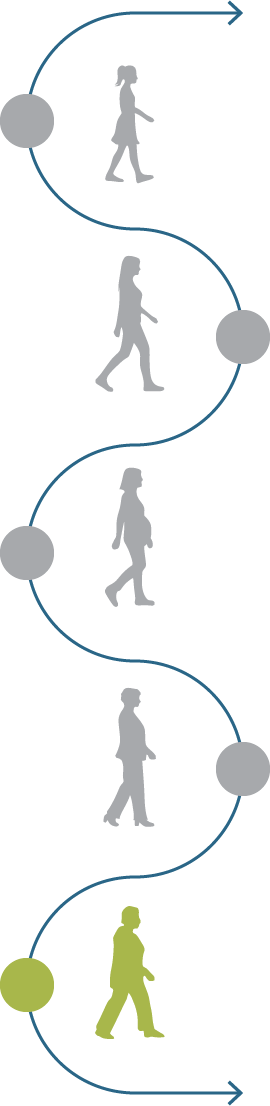
Definition:
Post-menopause refers to the life stage following 12 consecutive months without a menstrual period. Hormone levels stabilize at a new baseline, and long-term physiological effects of estrogen loss become more pronounced (Cleveland Clinic, 2025).
Age Range:
From around age 51 onward
Overview:
This stage marks the beginning of aging with a stabilized but low level of reproductive hormones. Women often experience increased vulnerability to chronic conditions such as osteoporosis, cardiovascular disease, and cognitive decline, like Alzheimer disease. Physical changes like reduced mobility, muscle loss, and balance issues can affect daily function, safety, and confidence. Psychosocial shifts—such as retirement, caregiving roles, or loss of social identity—may impact emotional well-being. Environments that support mobility, sensory comfort, safety, and social connection are essential to promote long-term health and independence during this life phase.