
Physical Disability

A physical disability is any condition that impairs a person’s ability to perform daily physical tasks. Inclusive design should be integrated in all spaces to create welcoming environments for everyone, regardless of physical ability. More accessible spaces may help to improve mental health outcomes and chronic conditions experienced by people with physical disabilities.
Frequent Mental Distress
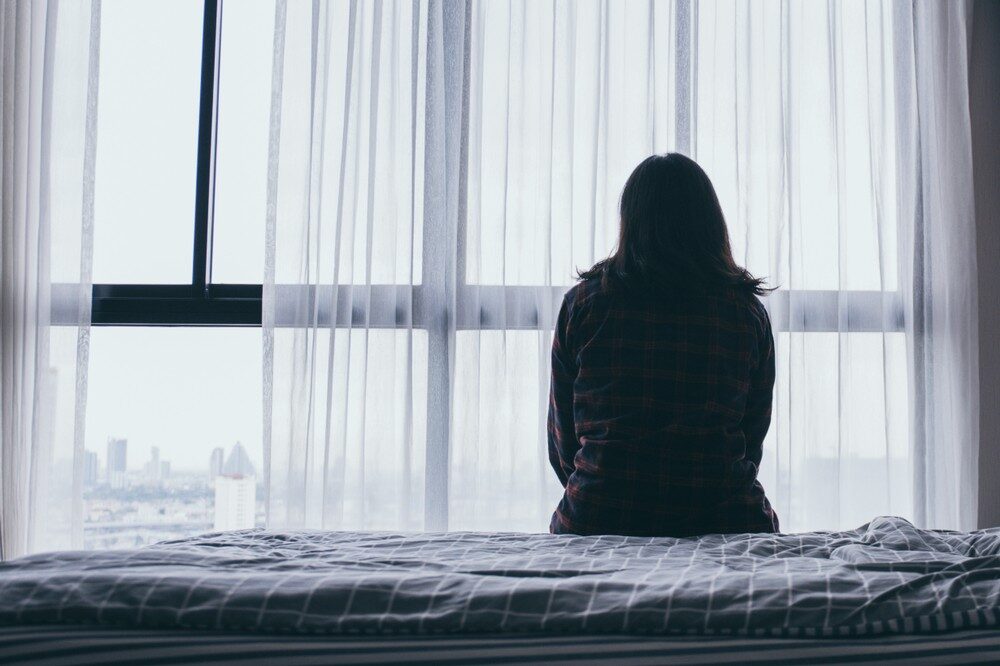
Frequent mental distress refers to a state of ongoing psychological hardship, which can impact daily functioning and overall well-being. The built environment may promote positive mental health through daylighting, biophilic design, areas for recuperation, etc., which, in turn may improve sleep, nutrition, and physical activity.
Physical Inactivity

Physical inactivity refers to insufficient engagement in regular exercise. Providing safe spaces for physical activity or improving the walkability of a neighborhood may increase a community’s physical activity, which in turn can decrease risks of chronic conditions and improve mental health outcomes.
Not Enough Sleep Hours

Insufficient sleep is associated with numerous chronic conditions, as well as poor mental health outcomes. The built environment can help to mitigate internal and external stressors, including chronic stress, physical inactivity, and noise pollution, that are all associated with insufficient quantity and quality of sleep.
Frequent Physical Distress
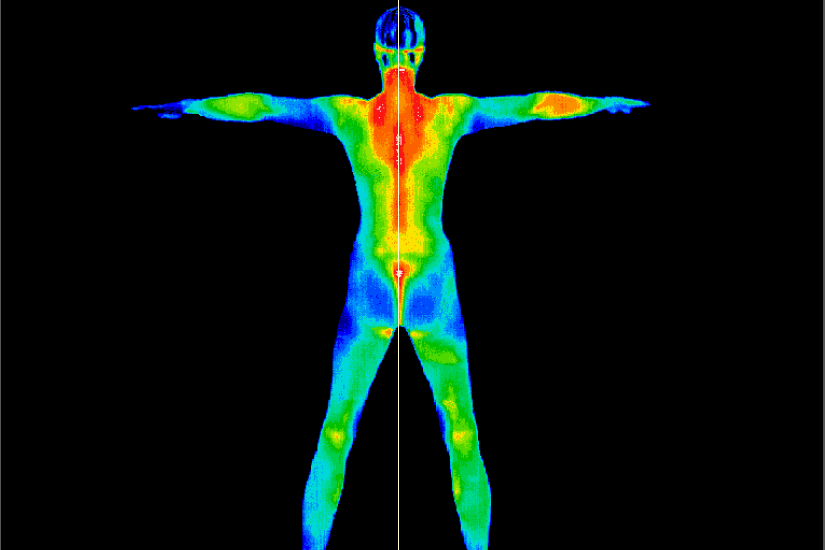
Those experiencing frequent physical distress are more likely to have a chronic condition and may not be able to engaging in everyday activities. More inclusive spaces that maximize accessibility and provide areas for rest may help to improve both the mental and physical comfort of people living with physical distress.
Cancer
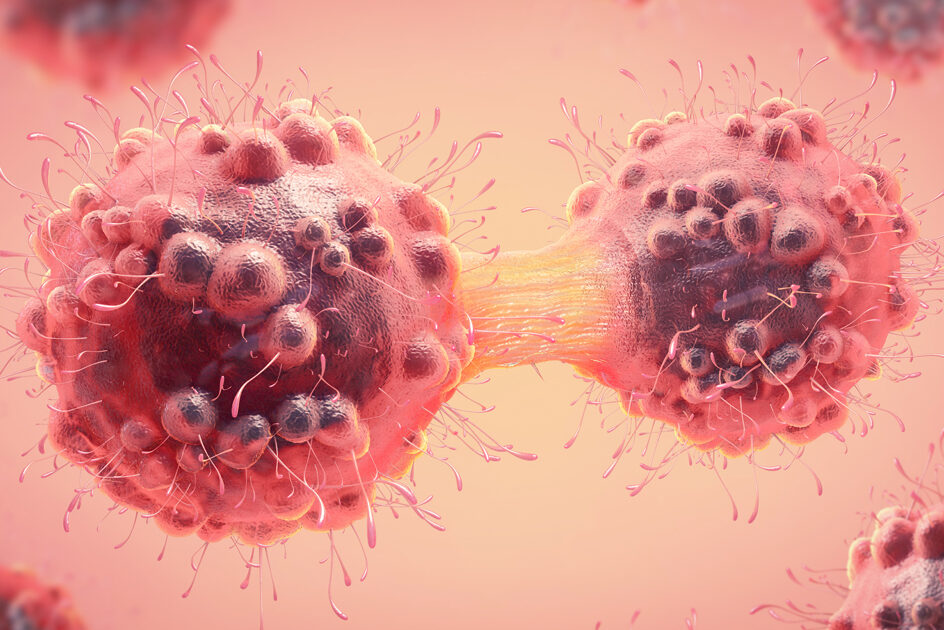
Cancer is a chronic disease that often causes significant morbidity and sometimes, mortality. Most cancers develop due to the exposure of several environmental, genetic, and behavioral factors. Known and suspected carcinogens should avoid being introduced to the built environment in an effort to lessen cancer-contributing exposures.
Obesity

Obesity is a medical term for an exceedance of recommended body mass index (BMI). Communities without safe spaces for physical activity and limited access to fresh food may have higher rates of obesity, which in turn increases risks of chronic conditions and poorer mental health outcomes.
High Blood Pressure

High blood pressure occurs when the force of blood pushing against blood vessels is consistently too high. Certain environmental and behavioral factors help to maintain healthy blood pressure and can be promoted by the built environment (e.g., spaces for physical activity, access to fresh foods, spaces for recuperation).
Diabetes
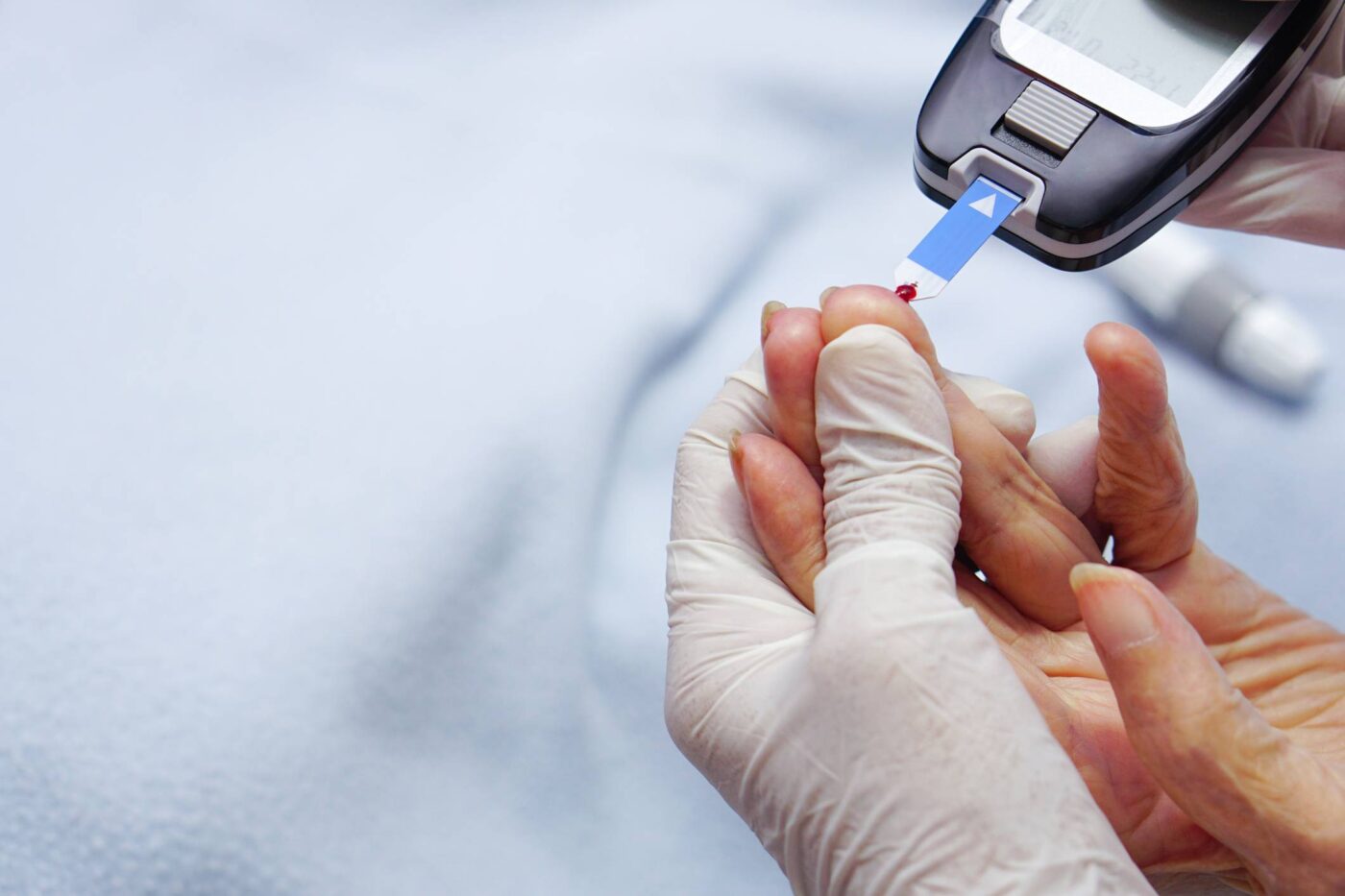
Diabetes is a chronic disease that occurs when the body cannot produce or process insulin. A variety of environmental and behavioral factors increase the risk of developing type 2 diabetes and may be influenced by our built environment (e.g., physical activity, access to fresh foods, air quality).
Chronic Obstructive Pulmonary Disease
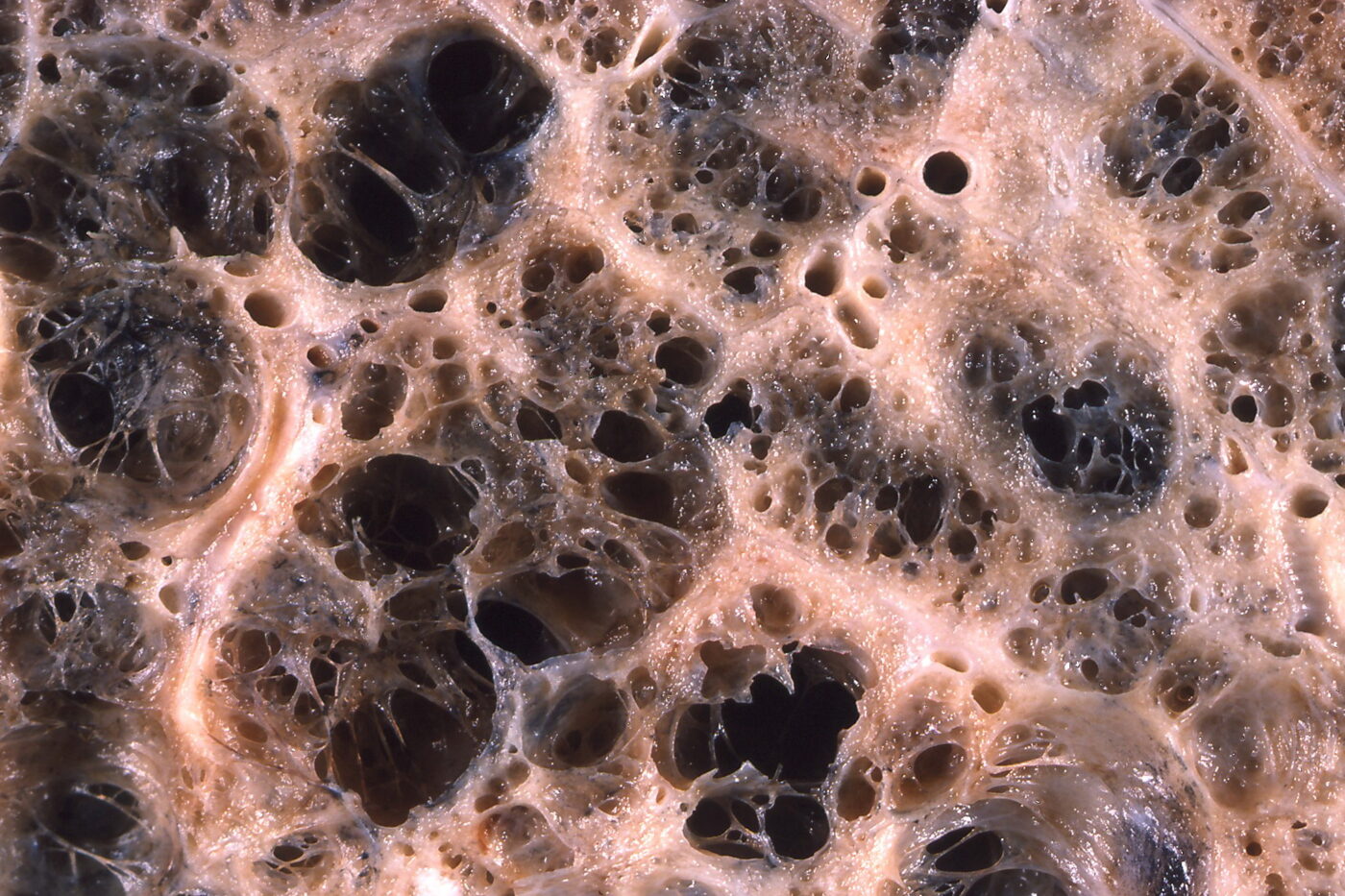
Chronic Obstructive Pulmonary Disease (COPD) causes airflow blockages and issues with breathing. Tobacco smoking is the main cause of COPD deaths, however environmental exposures also contribute to cases. Interior spaces can filter and ventilate air to reduce concentrations of pollution associated with COPD.