Note: PRECEDE is only compatible on desktop. Have feedback? Interested in collaborating?

Public Repository to Engage Community and Enhance Design Equity

Card - Categories
  • All
  • Health Promotion (2)
  • Environmental Risk Mitigation (9)
  • Climate Adaptation (5)
Lack of Park Access
Total Number of Households
Population
Social Vulnerability
Rent Burden
Owns a Computer
Card - Categories
  • All
  • Health Promotion (2)
  • Environmental Risk Mitigation (3)
  • Climate Adaptation (1)
Card - Categories
  • All
  • Health Promotion (2)
  • Environmental Risk Mitigation (3)
  • Climate Adaptation (1)

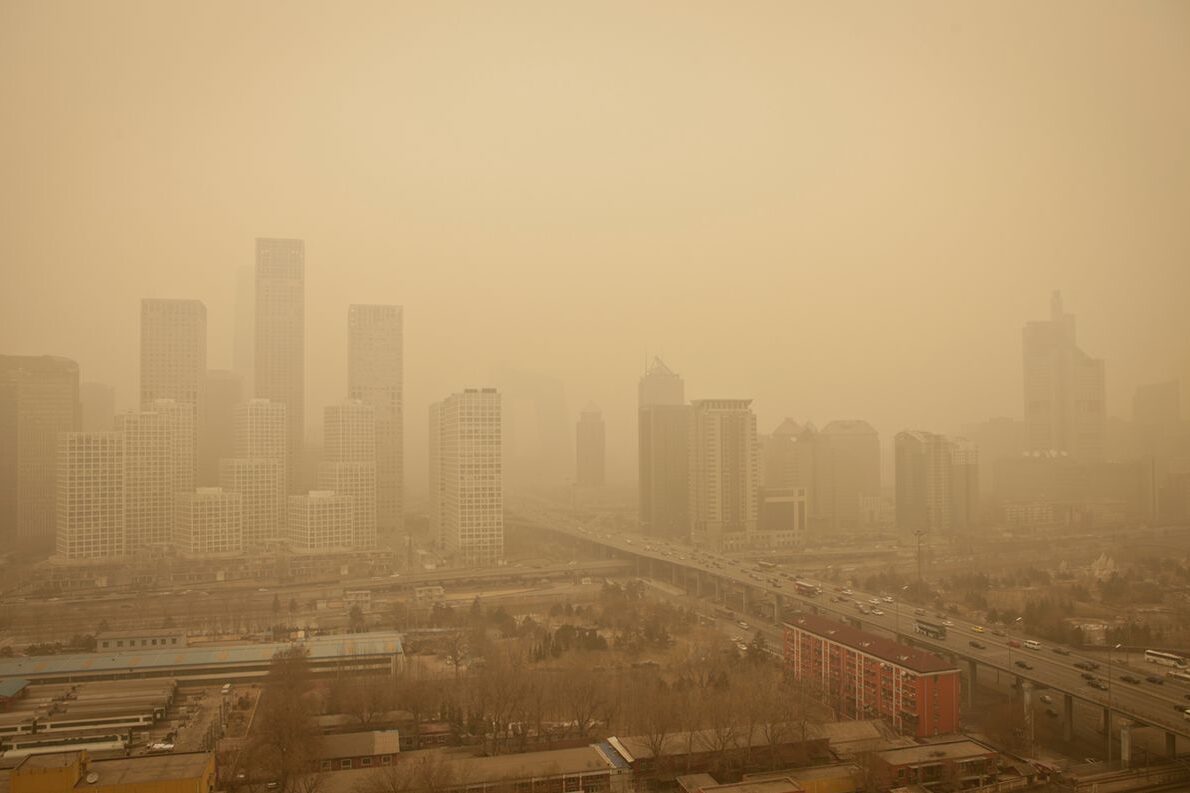
Particulate Matter

PM2.5 is a component of air pollution that measures small airborne particles. These particles are emitted from natural and manmade sources and infiltrate indoors through cracks in the building envelope. Breathing PM2.5 poses respiratory and cardiovascular health risks, as its small size allows it to travel deep into the lungs and bloodstream.
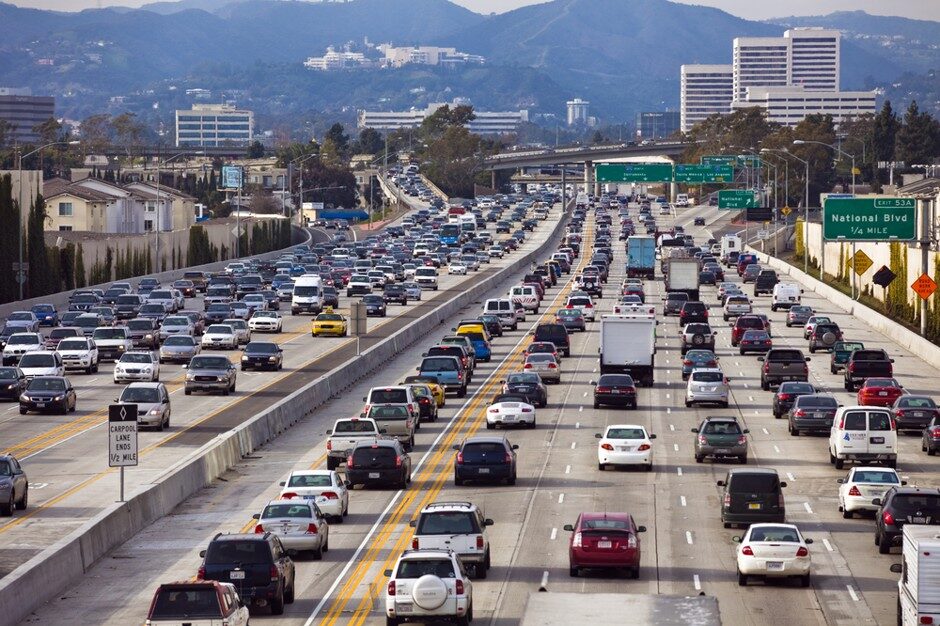
Traffic Proximity

Traffic proximity indicates the distance and density of roadways with the potential to negatively impact health. Due to emissions from automobiles and heavy traffic noise pollution, communities proximal to traffic may breathe more polluted air, contact more contaminated soil, and experience more cognitive stress.

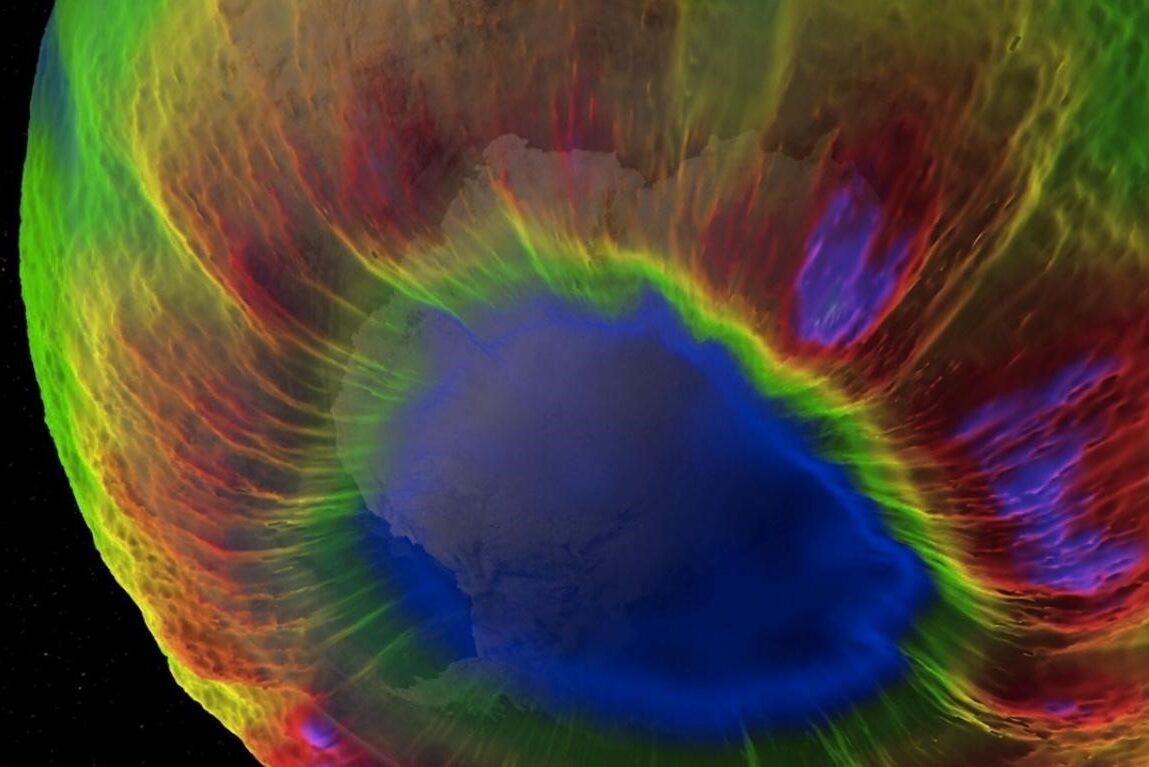
Ozone

Ground-level ozone is a harmful air pollutant formed by chemical reactions between volatile organic compounds and nitrogen oxides in the presence of sunlight. Breathing ground-level ozone contributes to acute and chronic respiratory problems and increased concentration of green-house gasses in the lower atmosphere.

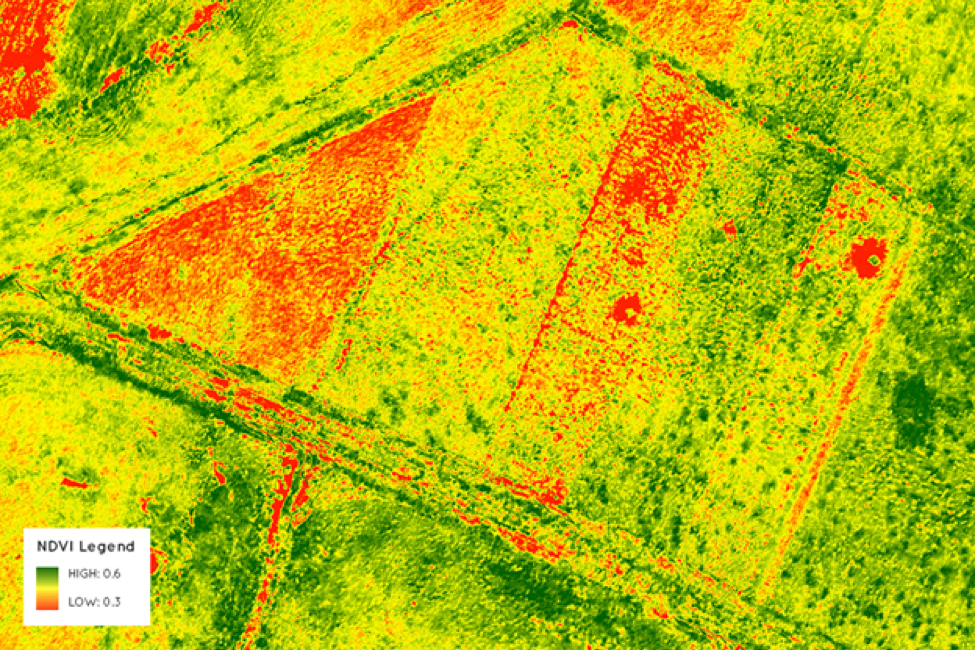
Greenness (NDVI)

Normalized Difference Vegetation Index (NDVI) measures the quantity of green vegetation in a spatial region. Experiencing green spaces has many health benefits, including increasing physical activity and improving mental health, as well as improving air quality and mitigating the urban heat island effect.